Run Your Generator Safely Without Risking Your Home's Wiring
Portable Generator Set-up in Fenton for homeowners needing backup power during outages without creating electrical hazards
M.R. Electric Construction, Inc sets up portable generators safely for homes in Fenton and the surrounding areas, installing transfer switches that allow you to power essential circuits during outages without backfeeding electricity into the utility grid or damaging your home's electrical system. You need this service if you've purchased a portable generator and want to use it properly, if you're concerned about the risks of running extension cords through windows or doors, or if you've heard about the dangers of backfeeding and want a code-compliant solution that protects both your home and utility workers.
The setup includes installing a manual transfer switch at your electrical panel, which lets you safely disconnect from the utility and connect the generator to selected circuits such as your refrigerator, furnace, sump pump, and lights. The transfer switch prevents electricity from flowing backward into the power lines, which can electrocute utility workers and damage transformers, and it keeps your generator from trying to power your entire home at once, which would overload the unit and cause it to shut down or fail.
If you want to use your portable generator safely and efficiently during power outages, reach out to schedule a transfer switch installation and receive guidance on proper generator operation.
What Happens During a Generator Setup
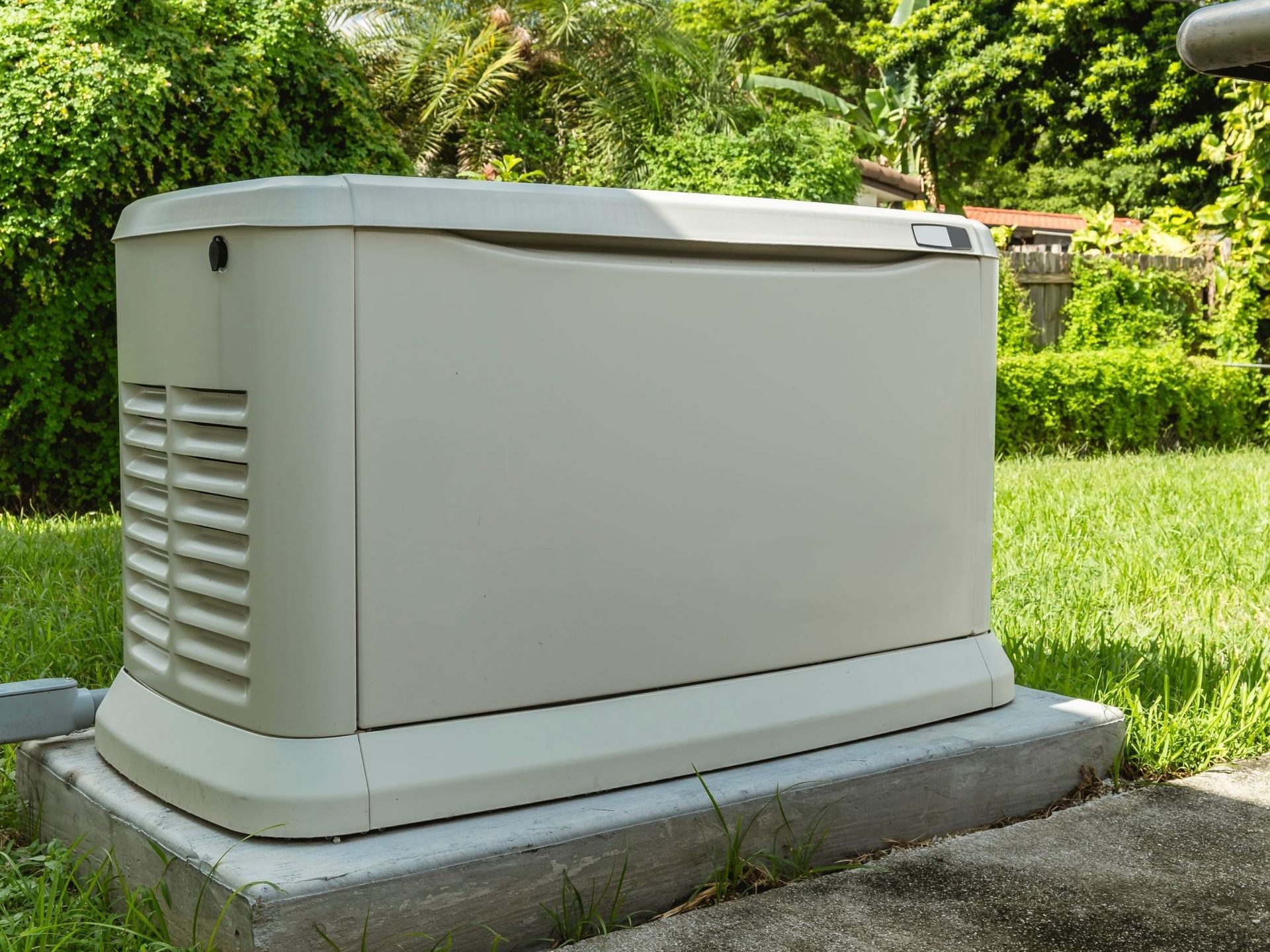
When you schedule the service, the electrician installs a manual transfer switch near your main panel and connects it to the circuits you've identified as priorities during an outage. You'll discuss your generator's wattage capacity and which appliances and systems you want to keep running, so the electrician can ensure the selected circuits don't exceed what the generator can safely handle.
After the transfer switch is installed by M.R. Electric Construction, Inc, you'll be able to start your generator during an outage, connect it to the inlet box mounted on your home's exterior, flip the transfer switch to isolate your home from the grid, and power your selected circuits without running extension cords or risking backfeeding. The setup makes the process straightforward and repeatable, so you don't have to figure out a new configuration each time the power goes out.
The service includes installing the transfer switch and inlet box, but it does not include the generator itself, fuel storage solutions, or running circuits to areas of the home that aren't currently served by the panel. You're responsible for following the generator manufacturer's instructions for operation, maintenance, and safe placement away from windows and vents to prevent carbon monoxide buildup.
Questions Homeowners Ask About Generator Setups
Portable generator setups offer a cost-effective backup power option, but understanding the safety requirements and limitations helps you use the system correctly.
What is backfeeding and why is it dangerous?
Backfeeding occurs when electricity from your generator flows back into the utility lines, which can electrocute workers repairing the grid and damage transformers, making a transfer switch essential for safe operation.
How many circuits can a portable generator power?
The number depends on your generator's wattage output and the combined load of the circuits you select, so most homeowners prioritize essentials like the refrigerator, furnace, and a few lights rather than trying to run the entire home.
Why do homes in Fenton sometimes lose power during winter storms?
Ice accumulation on power lines and wind can bring down branches and lines, causing outages that last several hours or longer, making a backup power option valuable for maintaining heat and preventing frozen pipes.
When should you run your generator during an outage?
You should start the generator only after the utility power is off, connect it through the transfer switch, and keep it running outdoors at least 20 feet from your home to prevent exhaust fumes from entering living spaces.
What's involved in maintaining a transfer switch?
Transfer switches require minimal maintenance, but you should periodically test the switch by flipping it while the power is on to ensure smooth operation and inspect connections for corrosion or looseness.
M.R. Electric Construction, Inc provides safe and code-compliant portable generator setups that give you reliable backup power during outages. If you're ready to install a transfer switch and use your generator properly, call to schedule a setup in Fenton.